
Family Dining · Practical guide
KALDI COFFEE FARM
Specialty Coffee, Moheji Japanese Foods & Tax-Free Tips
Prices, ordering steps, payment details, and common mistakes — in one place.
Quick Facts
| Category | Detail |
|---|---|
| Japanese name | カルディコーヒーファーム (Kaldi Coffee Farm) |
| Brand Name | KALDI COFFEE FARM / カルディコーヒーファーム (株式会社キャメル珈琲 / Camel Coffee Co., Ltd.) |
| Store Type | Gourmet specialty food shop, artisanal coffee roaster & curated Japanese/imported food market |
| Target Audience | International foodies, home cooks seeking authentic Japanese seasonings, coffee enthusiasts, and souvenir gift shoppers |
| Ordering Style | Winding "treasure hunt" self-service browsing with counter-service roasted coffee bean weighing and cashier checkouts |
| Membership Required? | No membership or Japanese resident ID required for general shopping; physical foreign passport required for Tax-Free purchase registration |
| Approximate Price Range | Drip coffee single packs, seasoning packets, and Japanese sweets ~¥150–¥650; Moheji premium dashi broth packs, salad dressings, and specialty snacks ~¥400–¥1,800; freshly ground 200g whole-bean coffee bags and imported wines ~¥750–¥3,800 (as of November 9, 2026; subject to revision); Tax-Free available on eligible purchases of ¥5,000+ (excluding tax) at participating commercial mall locations |
| Multilingual Support | Product packaging for imported goods features English text; Japanese domestic and Moheji specialty goods feature bilingual ingredient summaries on select items; store staff at major international shopping center locations can assist with coffee roast selections |
| Payment Methods | Cash (JPY), International Credit Cards (Visa, Mastercard, JCB, American Express, Diners Club, UnionPay), Transit IC (Suica, Pasmo, ICOCA), e-Money (iD, QUICPay), KALDI Card, QR Mobile Pay (PayPay, d-Barai, Rakuten Pay, Alipay, WeChat Pay, etc., depending on host facility) |
| Store Network | Over 500 domestic retail stores across Japan (514 domestic stores as of August 2026, per official Camel Coffee company information), located prominently inside railway terminal shopping arcades, underground transit concourses, and shopping malls |
What it is
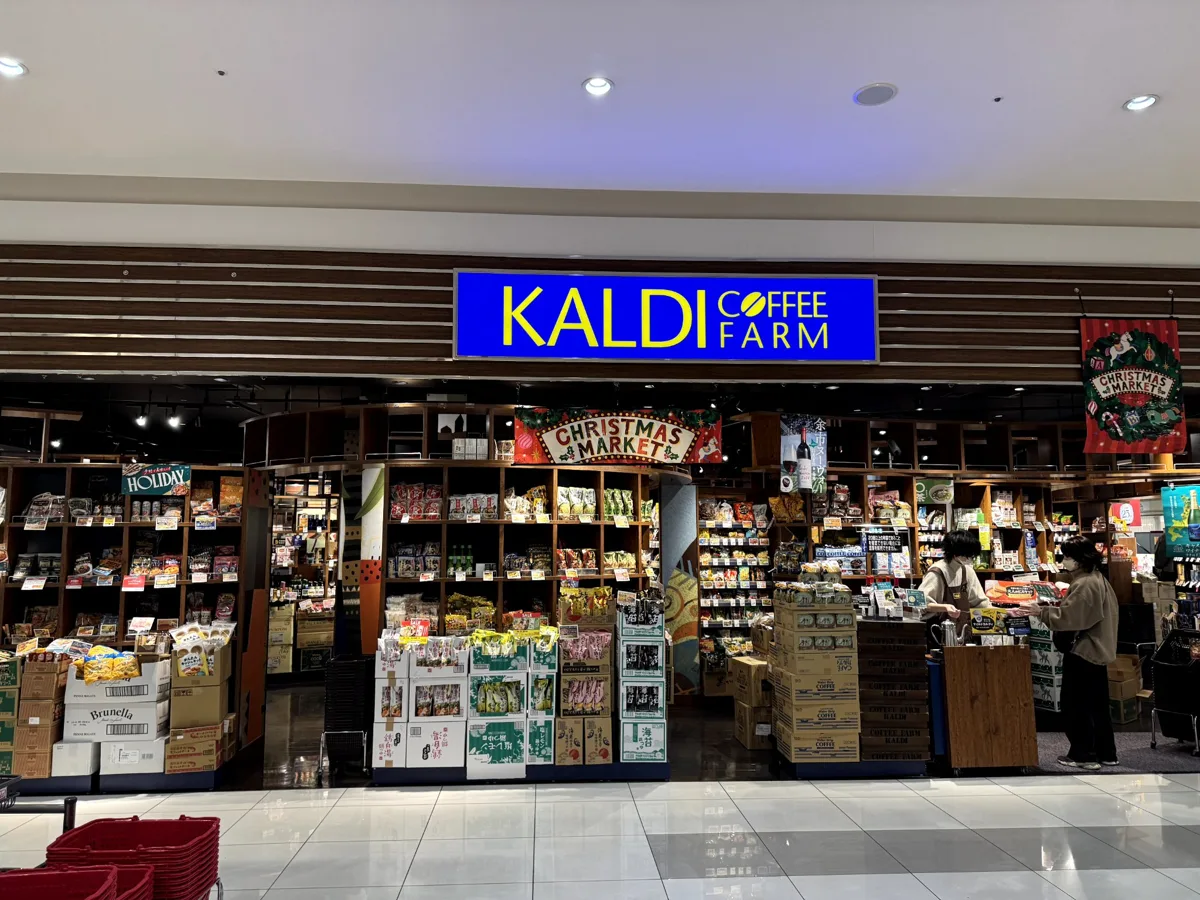
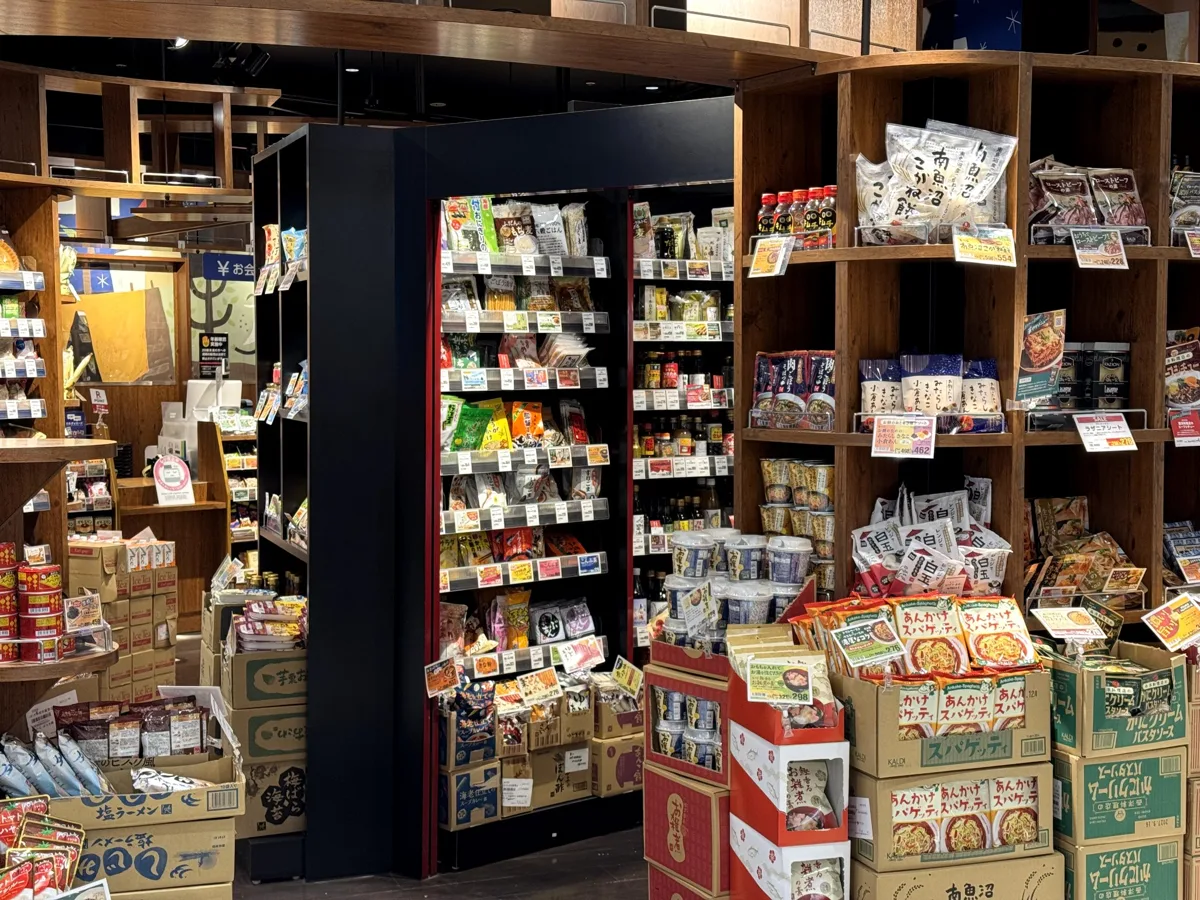
KALDI COFFEE FARM (株式会社キャメル珈琲)—operating under its enchanting concept of "Treasure Hunting in the Back Alleys" (路地裏の宝探し)—is one of Japan's most beloved culinary destinations. Founded in Tokyo in 1977 as a specialty coffee bean roasting company, KALDI transformed retail by styling its dimly lit, wood-paneled stores like a bustling Mediterranean spice market or antique curiosity shop. The winding, labyrinthine wooden aisles are intentionally designed to encourage spontaneous discovery, overflowing with approximately 30 varieties of freshly roasted coffee beans, fine international cheeses, artisanal European chocolates, and rare wines.
For overseas travelers, KALDI's greatest hidden treasure is its acclaimed proprietary Japanese grocery label, "Moheji" (もへじ). Sourced directly from artisanal agricultural and sea-harvest producers across Japan's prefectures, Moheji packages traditional culinary essentials—such as umami-rich flying-fish dashi stocks, viral Japanese onion and sesame dressings, freeze-dried yuzu miso soups, and Kyoto Uji matcha wafers—into stylish, travel-friendly packages. Whether hunting for unique food gifts or stocking up on single-origin drip coffee packs, KALDI offers a captivating gastronomic adventure.
How to order
Step 1: Entering the Winding "Treasure Hunt" Aisle Maze
- Step past KALDI's warm wooden entrance, marked by its distinctive yellow-and-blue sign depicting the legendary Ethiopian shepherd Kaldi.
- At select locations, staff offer complimentary mini paper cups of hot sweetened blend coffee (or cold brew in summer) to sip as you browse.
- Take a compact shopping basket near the entrance.
Step 2: Browsing the "Moheji" Japanese Food Section
- Look for the traditional Japanese calligraphy logo "もへじ" (Moheji) on shelf headers and product labels.
- This section gathers regional Japanese culinary treasures:
- Concentrated dashi soup packs (Kagoshima bonito, Hokkaido kombu, Nagasaki flying fish).
- Unique Japanese condiment pastes (Yuzu Kosho, Shiso pesto, Smoked oyster pate).
- Artisanal Japanese rice crackers, sweet bean snacks, and matcha treats.
Step 3: Ordering Freshly Roasted Coffee Beans
- Approach the dedicated coffee counter (usually located at the front entrance or near the registers).
- Select from popular house blends (like the mild, balanced "Mild Kaldi" or deep "Italian Roast") or single-origin beans (Kilimanjaro, Colombia, Guatemala).
- Inform the staff of your desired grind:
- "Mame no mama" (Leave as whole beans).
- "Chu-biki" (Medium grind for paper drip filters).
- "Fuka-biki" (Fine grind for espresso).
- Beans are freshly ground, weighed in 200g pouches, and heat-sealed right in front of you.
Step 4: Checkout & 2026 Tax-Free Refund Procedure
- Tax-free service must be confirmed for each KALDI location. Being located inside a mall or department store does not by itself establish that KALDI purchases are eligible; verify participation with that shop or an authorized joint tax-free procedure counter.
- Present your selections and your original physical passport (photocopies or digital images are strictly prohibited by Japanese tax law).
- Under Japan's airport refund tax-free mechanism (enacted November 1, 2026):
- Pay the full tax-inclusive total at the register using cash, international credit cards, or supported cashless payments.
- The participating retailer verifies your eligibility and registers the tax-free purchase electronically in the National Tax Agency’s system, directly or through an approved provider. Follow the shop’s passport or supported Visit Japan Web procedure.
- Check your purchases before departure:
- Food, drinks, coffee beans, tea and other goods that may be consumed must remain unconsumed in Japan if included in the tax-free purchase record.
- Reusable tote bags, coffee drippers and mugs may be used in Japan if the same items are exported. The former legal split between general goods and consumables was abolished on November 1, 2026.
- At the airport on departure day (within 90 days of purchase, and BEFORE checking your baggage with your airline), present your passport at a tax-free procedure terminal for export confirmation. Keep all purchased tax-free goods available; show them at the customs inspection area only if a red result requires it.
- The merchant or its designated refund operator processes the tax refund by the method registered at purchase after Customs confirms export. Customs does not issue refunds. Cash collection at designated airport refund terminals is available only for qualifying purchases from participating stores; confirm the available method with the seller rather than assuming an airport cash window is available.
What to order first
1. Moheji Dashi Stock Packs (Hokkaido Kelp & Nagasaki Flying Fish)
- Japanese Name: もへじ 国産素材のだしパック (極みだし / あごだし)
- Price: ~¥598–¥898 (tax-included as of November 9, 2026; subject to revision)
- Why It Is Essential: Make authentic restaurant-quality Japanese soup at home in 3 minutes. These tea-bag style sachets contain ground roasted flying fish (Ago), golden bonito flakes, and Makombu kelp. Simply simmer a bag in boiling water to create an exquisite, aromatic dashi base for miso soup, udon, or Japanese hot pot.
2. Moheji Japanese Grated Onion & Toasted Sesame Salad Dressing
- Japanese Name: もへじ 九州産ゆず果汁使用 すりおろしオニオンドレッシング
- Price: ~¥448–¥598 (tax-included as of November 9, 2026; subject to revision)
- Why It Is Essential: A perennial viral bestseller in Japan. Made with grated Japanese onions, savory roasted sesame, soy sauce, and aromatic Kyushu yuzu citrus juice, this thick, savory dressing elevates simple salads, grilled meats, and cold tofu into gourmet delights. (Note: Liquid bottle over 100ml must be packed in checked luggage).
3. "Mild Kaldi" Single-Serve Drip Coffee Pouches
- Japanese Name: カフェカルディ ドリップコーヒー マイルドカルディ (10P入)
- Price: ~¥594 (tax-included as of November 9, 2026; subject to revision)
- Why It Is Essential: KALDI's signature house blend packed in convenient fold-out paper drip filters that perch directly over your mug. Featuring Brazilian and Colombian beans with a gentle sweetness and bright aroma, these lightweight boxes make ideal office gifts that take up minimal luggage space.
4. Moheji Freeze-Dried Yuzu & Japanese Seaweed Miso Soups
- Japanese Name: もへじ フリーズドライ お味噌汁 (ゆず風味・あおさ海苔)
- Price: ~¥148–¥540 (tax-included as of November 9, 2026; subject to revision)
- Why It Is Essential: Using advanced Japanese freeze-drying technology, authentic miso paste, aromatic yuzu peel, and tender Aosa seaweed dissolve instantly in boiling water to deliver restaurant-fresh miso soup in hotel rooms or at home. They weigh virtually nothing and pack completely flat.
5. KALDI Original Seasonal Butter Spreads & Matcha Bean Pastes
- Japanese Name: カルディオリジナル シャインマスカットバター / 宇治抹茶あずきスプレッド
- Price: ~¥498–¥698 (tax-included as of November 9, 2026; subject to revision)
- Why It Is Essential: Spreadable Japanese dessert magic for breakfast toast. Made by blending Japanese fruit juices (such as Nagano Shine Muscat grapes or Yamanashi white peaches) with creamy butter, or rich Uji matcha with sweet red adzuki beans. It turns morning toast into a gourmet Japanese kissaten treat.
Payment & practical info
- Accepted Payment Modes: Cash (JPY), major global credit cards (Visa, Mastercard, JCB, American Express, Diners Club, UnionPay), transit IC cards (Suica, Pasmo, ICOCA), e-money (iD, QUICPay), and mobile QR codes (PayPay, d-Barai, Rakuten Pay, Alipay, WeChat Pay, etc.; varies by host shopping mall).
- Tax-Free Refund Rules (Enacted November 1, 2026):
- Minimum eligible spend: Under Japan’s tax-free refund rules, eligible purchases totaling ¥5,000 or more before tax at the same participating tax-free store on the same day meet the general threshold. Where a designated joint tax-free procedure counter is used, eligible same-day purchases by the same purchaser from multiple participating stores may be combined there. Confirm the branch’s participation and how its purchases are registered before paying.
- Pay full tax-inclusive price at checkout; passport is electronically registered; obtain customs export verification at the airport before checking baggage; refund is processed back to the registered payment method by the merchant or refund operator.
- Packaged foods and coffees are Consumables; must be exported within 90 days.
- Operating Hours: Most shopping mall and railway station branches operate from 10:00 to 21:00 daily (hours vary by store).
- Liquid Packing Caution: Salad dressings, fruit syrups, and specialty cooking pastes in liquid bottles over 100ml must be packed securely inside checked luggage. Ensure airport customs verifies your purchases before you surrender your suitcase at the airline check-in desk.
- Promotional Discounts: Promotional discount campaigns or digital payment promotions may be held during specific seasonal windows. These offers specify designated validity periods and participating payment partner cards. Confirm terms at store information desks.
Good to know / Common mistakes
1. Most Standalone Street Shops Are Not Tax-Free
Tax-free availability varies by store. Whether KALDI can register tax-free purchases depends on the individual branch and any authorized procedure counter serving that branch. A mall’s tax-free counter cannot be assumed to cover every tenant; confirm eligibility and the refund procedure before paying.
2. Check Ground Coffee Expiration Dates
Whole-bean coffee stays fresh for months, but pre-ground coffee oxidizes faster. If buying ground coffee as souvenirs for friends, purchase whole beans or individual nitrogen-flushed drip pouches (Cafe Kaldi Drip), which maintain peak aroma for up to a year.
3. Glass Bottle Protection
KALDI stocks many delicious sauces and fruit spreads in glass jars. Free paper wrapping is available at the register—wrap glass bottles with your soft clothing inside your suitcase to prevent breakage during air travel.
FAQ
Q1: Can I ask the staff to grind whole bean coffee for a French press?
A: Yes! KALDI staff can grind whole beans to your preferred brewing method. For a French press or cold brew, ask for a coarse grind ("Ara-biki de onegaishimasu").
Q2: Is the coffee tasting at the entrance free?
A: Yes. At participating locations, the famous complimentary mini-cup of coffee handed out at the entrance is offered completely free of charge to welcome guests as they browse the store.
Q3: How do I receive my tax refund under the 2026 customs system?
A: Pay the tax-inclusive total at the store and have your physical passport registered by staff. At the airport prior to departure (within 90 days of purchase), scan your passport at a tax-free procedure terminal before checking your baggage, with all tax-free goods still in your possession. Show the goods to Customs only if a red result requires inspection. Once verified, the tax refund is executed by the merchant or its refund operator using the payment method registered at purchase.
Sources
- Camel Coffee Co., Ltd. / KALDI Official Portal (Verified: 2026-11-09)
- KALDI COFFEE FARM Nationwide Store Locator (Verified: 2026-11-09)
- Japan Customs Departure Tax-Free Regulations (Verified: 2026-11-09)