
Ramen · Practical guide
Kitakata Ramen Ban Nai Japan Guide for Tourists: Legendary Chashu-Covered Bowls & Chewy Curly Noodles
Prices, ordering steps, payment details, and common mistakes — in one place.
Quick Facts
| Feature | Details |
|---|---|
| Category | Dining / Regional Japanese Ramen (Kitakata Ramen) (Kitakata Ramen Ban Nai Official Website) |
| Store Count | Approximately 80 locations across Japan (densely distributed across Tokyo and the Kanto region, Fukushima, Osaka, Aichi, etc.) plus international branches, operated by Menshoku Co., Ltd. (Store Locator) |
| Ordering Style | Table-service with verbal ordering from photographic menus (or ticket vending machines at select compact train station branches); customized noodle firmness and soup saltiness upon request; bill paid at the front register after eating |
| Membership Required? | No reservation or membership required (100% walk-in casual dining) |
| Approximate Price Range | Lunch ~¥890–¥1,200; dinner ~¥890–¥1,400; signature Kitakata Ramen starting from ~¥890; zero cover charge (¥0 Otoshi); all tax-included (as of September 30, 2026; subject to revision) |
| Payment Methods | Cash, major credit cards (Visa, Mastercard, JCB, American Express), Japanese transit IC cards (Suica, PASMO, ICOCA), electronic money (iD, QUICPay), and smartphone QR code apps (PayPay, d-barai, 楽天ペイ, au PAY) |
| Multilingual Support | Extensive English menu guides with vivid color photos and step-by-step explanations of Kitakata ramen traditions |
What it is
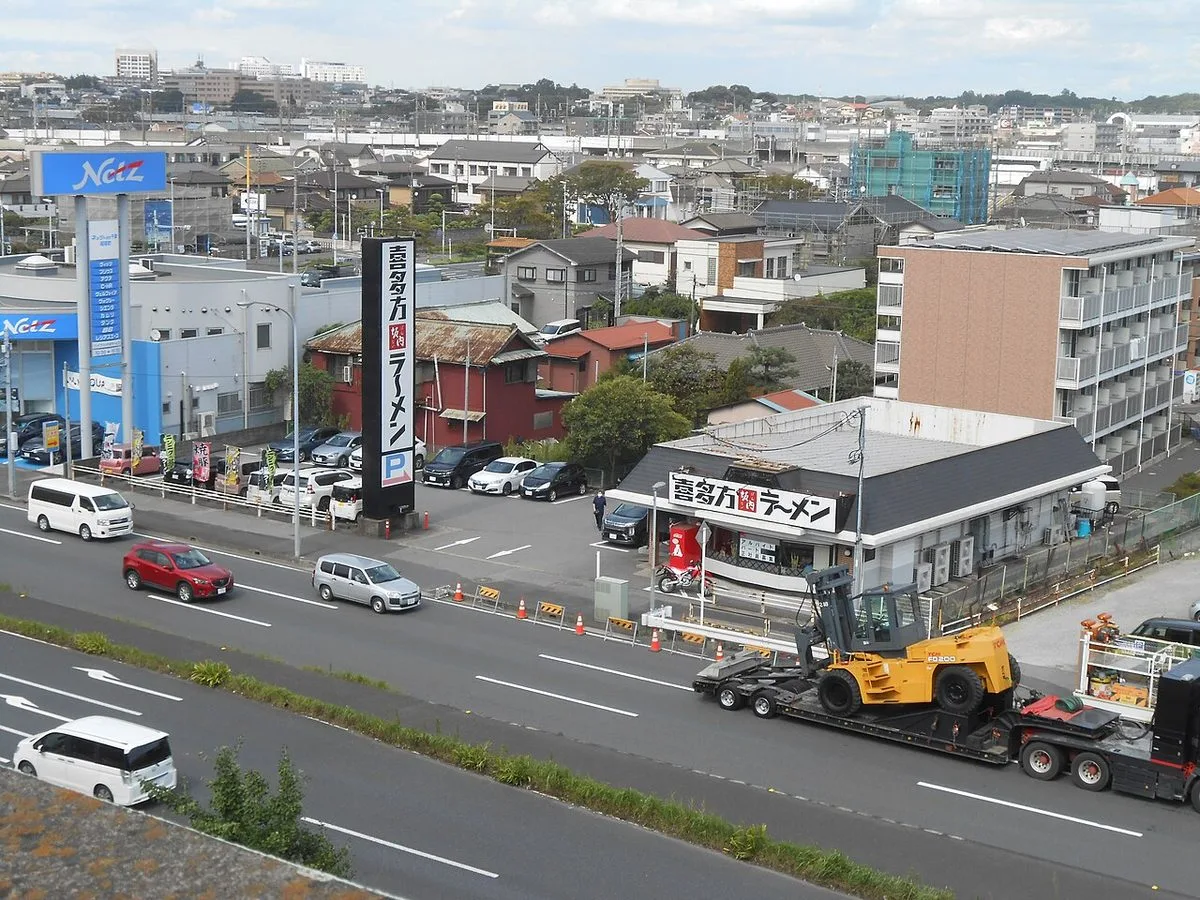
Kitakata Ramen Ban Nai (喜多方ラーメン 坂内), operated by Menshoku Co., Ltd., is Japan's premier nationwide ambassador of Kitakata Ramen, one of Japan's celebrated "Big Three" ramen styles hailing from Kitakata City in Fukushima Prefecture. Directly descended from the legendary 1958 founding shop Bannai Shokudo, Ban Nai is renowned for three distinct hallmarks: a surprisingly crystal-clear, refreshing broth slow-simmered purely from pork bones and seasoned with local soy sauce; thick, flat, high-hydration noodles hand-crumpled (te-momi) for an irresistibly springy, chewy texture; and freshly prepared pork belly chashu that melts like butter on the tongue. Its iconic Yaki-buta Ramen (Chashu Ramen), completely concealing the noodles beneath a dense flower petal arrangement of tender braised pork slices, is one of the most photographed and satisfying noodle bowls in Tokyo.
How to order
Dining at Kitakata Ramen Ban Nai is straightforward and welcoming:
- Enter and take a seat: Enter the restaurant. A staff member will greet you and seat you at a counter stool or dining booth.
- NO Otoshi cover charge: Enjoy honest dining—Ban Nai charges zero table fee and zero cover charge (¥0)!
- Examine the English menu: Browse the laminated photographic menu. English and picture guides are readily available.
- Choose your ramen style:
- Kitakata Ramen (喜多方ラーメン): The classic foundation; crystal-clear pork soy broth with 5 generous slices of melt-in-your-mouth pork belly, crunchy bamboo shoots (menma), and sliced scallions.
- Yaki-buta Ramen / Chashu Ramen (焼豚ラーメン): The ultimate flagship bowl; an incredible mountain of 13 to 14 thick slices of handmade pork belly chashu completely blanketing the bowl!
- Negi-Ramen (ねぎラーメン): Topped with a spicy, sesame-oil-tossed mountain of shredded white leeks.
- Aji-Tama Ramen (味玉ラーメン): Includes a perfectly marinated, gooey soft-boiled seasoned egg.
- Customize your noodles and soup (Optional):
- Men Katame (麺固め): Firm noodles (popular with international foodies).
- Aji Usume (味薄め): Milder broth with lower saltiness.
- Aji Koime (味濃いめ): Richer, more intense soy broth.
- Oomori (大盛り): Extra-large noodle portion (+¥150).
- Order delicious sides: Pair your bowl with handmade crispy pan-fried gyoza dumplings or a mini pork chashu rice bowl (Aburi Yaki-buta Gohan).
- Free rice during weekday lunch: At most branches, a complimentary small bowl of white rice is offered during weekday lunchtime—dip your tender chashu into it!
- Enjoy your meal: Sip the clear, deeply savory broth first, slurp the wavy noodles, and savor the melt-in-your-mouth pork.
- Pay at the front register: Take the bill slip left on your table to the register near the entrance to pay via cash, credit card, Suica, or QR code.
What to order first
Dishes below reflect core brand staples officially featured on the Kitakata Ramen Ban Nai Official Website and verified row records:
- *Signature Yaki-buta Ramen (焼豚ラーメン - Chashu Ramen)*: The world-famous bowl where you cannot even see the broth; layered with 13+ tender slices of slow-braised Spanish pork belly simmered in artisanal soy sauce (~¥1,140–¥1,290 tax-included as of September 2026).
- *Classic Kitakata Ramen (喜多方ラーメン)*: The time-honored original bowl featuring 5 thick chashu slices, menma bamboo shoots, and curly hand-kneaded noodles (~¥890–¥950).
- *Negi-Yaki-buta Ramen (ねぎ焼豚ラーメン)*: A flavor explosion combining spicy sesame white leeks with a generous perimeter of tender pork slices (~¥1,250–¥1,380).
- *Handmade Pan-Fried Gyoza (手作り生餃子 - 5 pcs)*: Crispy-bottomed pork and cabbage dumplings wrapped in tender dough, served with soy sauce, vinegar, and chili oil (~¥380–¥420).
- *Aburi Chashu Rice Bowl (炙り焼豚ご飯)*: Steamed white rice topped with torch-seared diced pork, scallions, and savory braising sauce (~¥280–¥340).
Payment & practical info
- Pricing & Value: Outstanding portion-to-price ratio; a standard bowl packed with 5 thick meat slices starts under ¥900, while the gigantic meat-lover's Yaki-buta bowl is around ¥1,200.
- Cover Charges: Zero cover charge, zero seating fee, and zero mandatory starter fees (¥0 Otoshi).
- Payment Methods: Accepts Japanese Yen cash, major credit cards (Visa, Mastercard, JCB, Amex), Japanese transit IC cards (Suica, PASMO, ICOCA), and mobile QR codes (PayPay, Rakuten Pay).
- Atmosphere: Casual, bright, and impeccably clean. Great for solo diners, families with children (child tableware provided), and couples.
- Water Service: Complimentary iced water glasses and chilled carafes are provided at every table.
- Condiments: Tabletop trays feature white pepper, black pepper, chili oil (rayu), soy sauce, and dumpling vinegar.
Good to know / Common mistakes
- Expecting heavy white Tonkotsu broth: Many travelers hear "pork bone broth" and expect opaque, milky Hakata tonkotsu. Kitakata broth is simmered at a gentle temperature to yield a completely transparent, golden broth that is light, clean, and deeply satisfying without being greasy.
- *The "Morning Ramen" (Asa-Ra) tradition*: In Kitakata, locals eat ramen for breakfast. Select Ban Nai locations in Tokyo (like the Yaesu Underground Mall near Tokyo Station) open early in the morning to serve authentic morning ramen!
- Don't let the noodles sit too long: High-hydration hand-crumpled noodles (Taka-sui-men) absorb soup quickly. Eat them while they are piping hot and springy!
- Pair chashu with rice: The pork belly slices are seasoned perfectly with soy sauce and dashi. Placing a slice of chashu over hot white rice with a pinch of white pepper is the ultimate insider way to eat.
- Tipping: Tipping is never accepted. Leave exact payment at the register.
FAQ
Q1: What makes Kitakata noodles different from regular ramen noodles? Kitakata noodles are "High-Hydration Matured Curly Noodles" (Jukusei Taka-sui-men). They contain significantly more water than standard ramen dough, are aged to develop gluten elasticity, and are hand-massaged right before cooking to create irregular waves that capture maximum broth with every slurp.
Q2: Is the Chashu Ramen really covered in that much meat? Yes! The Yaki-buta Ramen famously features over a dozen thick, succulent slices of pork belly neatly fanned out in concentric rings across the entire rim of the bowl, completely hiding the noodles below.
Q3: Can children dine comfortably at Ban Nai? Yes, Ban Nai is exceptionally family-friendly. Stores provide children's booster seats, plastic bowls, spoons, and mild ramen sets tailored for young diners.
Sources
- Kitakata Ramen Ban Nai Official Website: https://ban-nai.com/ (Verified: 2026-09-30)
- Bannai Shokudo Kitakata Heritage Portal: https://ban-nai.com/history/ (Verified: 2026-09-30)