
Fast Food & Grill · Practical guide
Soup Stock Tokyo Japan Guide for Tourists: Lobster Bisque, Clean Eats & Sets
Prices, ordering steps, payment details, and common mistakes — in one place.
Quick Facts
| Feature | Details |
|---|---|
| Category | Dining & Café / "Eating Soup" Specialty Fast Casual & Clean Dining (Soup Stock Tokyo Official Website) |
| Store Count | Over 60 clean, compact locations located inside or immediately connected to major railway terminals (Tokyo, Shinagawa, Shinjuku, Ueno), airports (Haneda, Narita), and urban transit centers (Store Locator) |
| Ordering Style | Fast-casual counter service: select set format at counter; choose rotating soups and side carb (sesame rice or stone-baked bread); pay upfront; take tray to seat; return tray to return shelf |
| Membership Required? | No reservation, membership, or ID required (Soup Stock Tokyo official smartphone app available for optional points) |
| Approximate Price Range | Soup & Soup Set from around ¥1,330, Soup & Curry Set from around ¥1,470, Single Soup S-size around ¥650 / Regular-size around ¥850; all tax-included (as of September 21, 2026; subject to revision) |
| Payment Methods | Cash, major credit cards (Visa, Mastercard, JCB, Amex, Diners), transit IC cards (Suica, PASMO, etc.), electronic money (iD, QUICPay), and major smartphone QR code payment apps (PayPay, d-barai, Rakuten Pay, etc.) |
| Multilingual Support | Official website provides dedicated English, Simplified/Traditional Chinese, and Korean "How to Order" guides; in-store physical menus feature clear English titles, ingredient pictograms, and dietary markers |
What it is
Soup Stock Tokyo, operated by Soup Stock Tokyo Co., Ltd. (part of the Smiles Group), is a beloved Japanese fast-casual dining chain built around the innovative concept of "Soup to Eat as a Meal" (Taberu Sūpu). Founded on the principle of providing nourishing, chemical-free comfort food without artificial seasonings or preservatives, it is renowned for its signature Omaru-ebi no Bisque (rich Canadian lobster bisque) and slow-simmered Tokyo Borscht. With clean minimalist interiors, solo-friendly wooden counters, and locations situated directly inside major bullet train stations (ekinaka) and airport terminals, it serves as a peaceful haven for solo travelers, business commuters, and international visitors seeking a wholesome, soothing meal between long flights or train journeys.
How to order
Ordering at Soup Stock Tokyo is simple, swift, and highly customizable:
- Approach the order counter: Walk up to the cash register and review the illuminated board showing today's weekly rotating soup and curry selection.
- Choose your set meal structure:
- Soup & Soup Set (Two small soups + rice or bread)
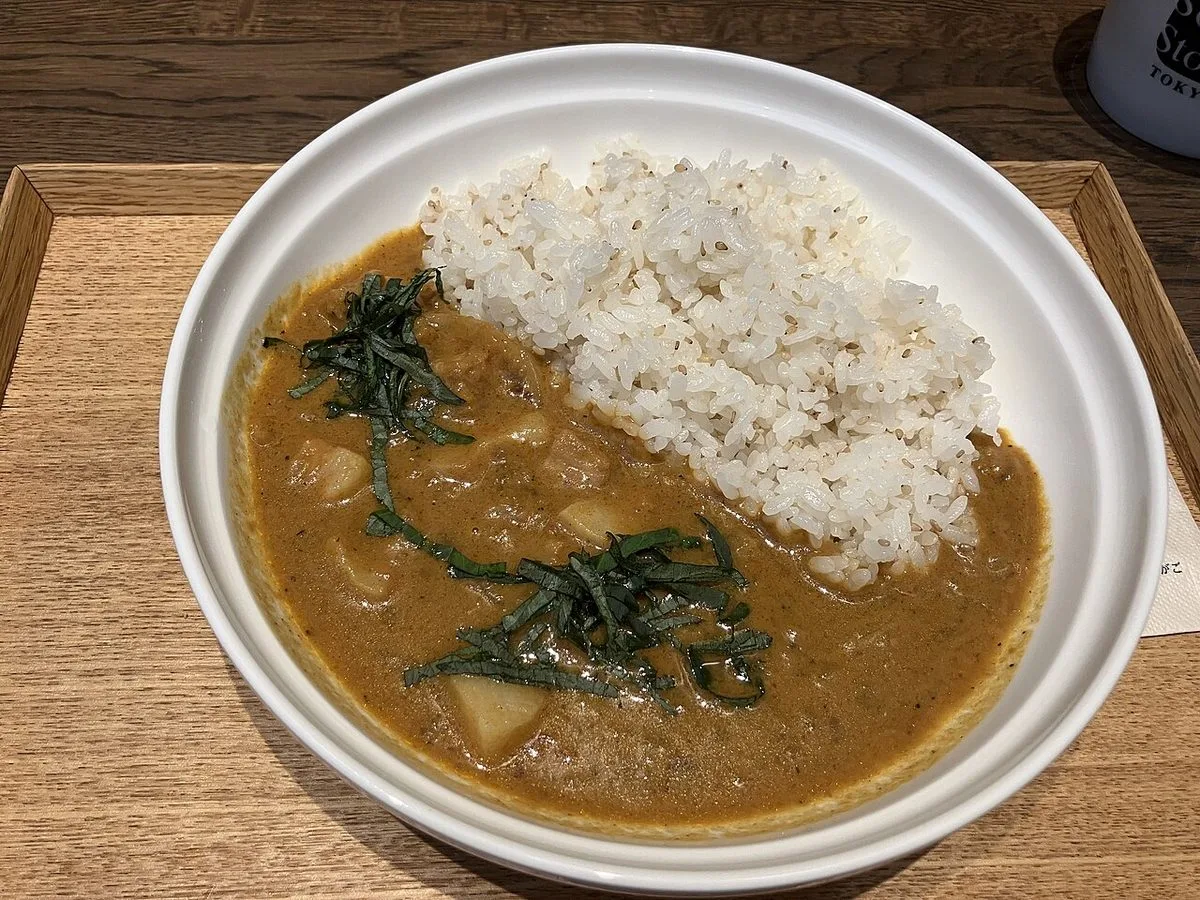
- Soup & Curry Set (One small soup + one curry + rice)
- Single Regular Soup Set (One large soup + rice or bread)
- Select your soups: Point to your preferred soups (such as the signature Lobster Bisque or Tokyo Borscht).
- Choose your grain accompaniment: Choose either White Sesame Rice (Shirogoma Gohan, select Small, Medium, or Large portion) or Stone-Oven Bread (Ishi-gama Pan).
- Declare Eat-In or Takeout & Pay upfront: State whether you are dining in (10% tax) or taking out (8% tax). Complete payment via credit card, transit IC card, e-money, QR code app, or cash.
- Collect your tray and take a seat: Your complete meal is assembled in less than a minute right in front of you. Pick up your wooden tray and find an open counter seat or table (many counters feature power outlets).
- Return your tray when finished: When you finish eating (no tipping is required in Japan), return your tray and dishes to the self-service return window (Henkyakuguchi).
What to order first
All signature items below are officially featured on the Soup Stock Tokyo Ordering Guide and row reference data (soups rotate weekly):
- *Lobster Bisque (Omaru-Ebi no Bisque)*: The chain's undisputed flagship soup since its founding, simmered with sweet vegetables, white wine, butter, and rich stock extracted from premium Canadian lobster heads, finished with fresh cream.
- *Tokyo Borscht (Tōkyō Borushichi)*: A Japanese take on classic borscht made with tender braised beef chunks, onions, carrots, and tomatoes, served with a fresh lemon slice and yogurt dollop.
- Spice Curries & Dhal: Specialty weekly curries, including butter chicken curry, eggplant and beef keema curry, and yellow dhal vegetarian curries.
- *White Sesame Rice (Shirogoma Gohan)*: Fluffy Japanese rice steamed with fragrant toasted white sesame seeds and a pinch of salt and olive oil, designed to complement rich soup broths.
- *Stone-Baked Artisan Bread (Ishi-gama Pan)*: Warm, crusty French roll with a soft, chewy crumb, perfect for soaking up lobster bisque.
Payment & practical info
Amenities and terminal access vary by store location (check the Official Store Directory for specific station details):
- Accepted Payment Methods: Accepts cash, major credit cards (Visa, Mastercard, JCB, American Express, Diners Club), Japanese transit IC cards (Suica, PASMO, ICOCA, etc.), electronic money (iD, QUICPay), and smartphone QR code payments.
- *High Transit Accessibility (Ekinaka): Many locations are situated inside the ticket gates (ekinaka*) of major train stations (like Tokyo Station, Shinagawa, and Shinjuku) or right outside gate exits, making them ideal for quick layovers.
- Dietary Transparency & Pictograms: Menus clearly display symbols for vegetarian options, beef, pork, chicken, alcohol, and the 8 major allergens (eggs, dairy, wheat, buckwheat, peanut, shrimp, crab, walnut).
- Wi-Fi & Power Outlets: Many counter seating areas feature AC power outlets for phone charging, alongside public station or terminal Wi-Fi.
- Tax-Free Status: Not eligible for tax-free shopping. Prepared restaurant food and takeout dining are classified as domestic consumption.
Good to know / Common mistakes
- Missing out on the weekly rotating specials: While Lobster Bisque is almost always available, other soups rotate weekly depending on seasonal vegetables and regional themes. Check the counter board for the day's lineup.
- Searching for stores outside train stations: A large percentage of Soup Stock Tokyo stores are located inside train station concourses. If a branch is marked Ekinaka, you must enter through the JR/subway ticket gates (using an IC card or platform ticket) to access it.
- Assuming all soups are vegetarian: Even vegetable-heavy soups may use chicken broth or beef dashi. Always look for the green leaf vegetarian symbol on the menu board or ask staff for dietary clarity.
- Tipping the counter staff: Tipping is not customary in Japan. The price shown on the register is the complete total.
FAQ
Q1: How much does a meal at Soup Stock Tokyo cost? As of September 21, 2026, a Soup & Soup Set (two small soups with rice or bread) starts around ¥1,330, a Soup & Curry Set starts around ¥1,470, and individual soups cost around ¥650 for Small and ¥850 for Regular (all tax-included).
Q2: Are there vegetarian and allergy-friendly options at Soup Stock Tokyo? Yes. Soup Stock Tokyo is famous for transparent labeling. Menus feature clear pictograms identifying vegetarian recipes, wheat, dairy, shellfish, and meat broths, allowing travelers with dietary restrictions to order safely.
Q3: Can I get soup to go for my Shinkansen or flight? Yes. All soups, curries, and side breads can be packaged for takeout (Omochikaeri) in spill-proof containers with thermal paper sleeves and spoons, making it one of the healthiest takeout meal options in Japanese airports and stations.
Sources
- Soup Stock Tokyo Official Website: https://www.soup-stock-tokyo.com/ (Verified: 2026-09-21)
- Soup Stock Tokyo "How to Order" Guide: https://www.soup-stock-tokyo.com/howto/ (Verified: 2026-09-21)
- Soup Stock Tokyo Store Locator: https://www.soup-stock-tokyo.com/store/ (Verified: 2026-09-21)