
Fast Food & Grill · Practical guide
Champion Curry (Chancurry)
1961 Founding Father of Kanazawa Curry & The Legendary L-Katsu
Prices, ordering steps, payment details, and common mistakes — in one place.
Quick Facts
Last checked against official information: 2026-11-10.
| Feature | Details |
|---|---|
| Japanese name | チャンピオンカレー (Champion Curry) |
| Category | Dining / The Historic 1961 Originator of Kanazawa Curry & Katsu Specialty (Champion Curry Official Website) |
| Store Count | 26 locations nationwide (as of November 2026), centered in Ishikawa Prefecture (Kanazawa, Nonoichi Flagship Honten, Omi-cho Market) and the Tokai/Chubu region, operated by Champion Curry Co., Ltd. (founded by Western chef Yoshikazu Tanaka in 1961) (Store Locator) |
| Ordering Style | Traditional fast-casual ticket machine system (Shokkenki): purchase a meal ticket at the kiosk by the door; take a seat at the counter or booth; hand ticket to staff; food served in gleaming silver stainless steel platters; eaten with traditional sporks; return tray to cleanup window upon exit |
| Membership Required? | No reservation, membership, or ID required |
| Approximate Price Range | Regular Curry bowls ~¥820; signature L-Katsu Curry (Regular) ¥1,100; Jumbo sizes ~¥1,080–¥1,200; strictly zero cover charge (¥0 Otoshi); all tax-included (as of October 3, 2026; subject to revision) |
| Payment Methods | Cash, Japanese transit IC cards (ICOCA, Suica, PASMO), and smartphone QR code payments (PayPay) across modern branches |
| Multilingual Support | Ticket machines and menu boards feature clear color photographs, portion diagrams, and English dish titles |
What it is
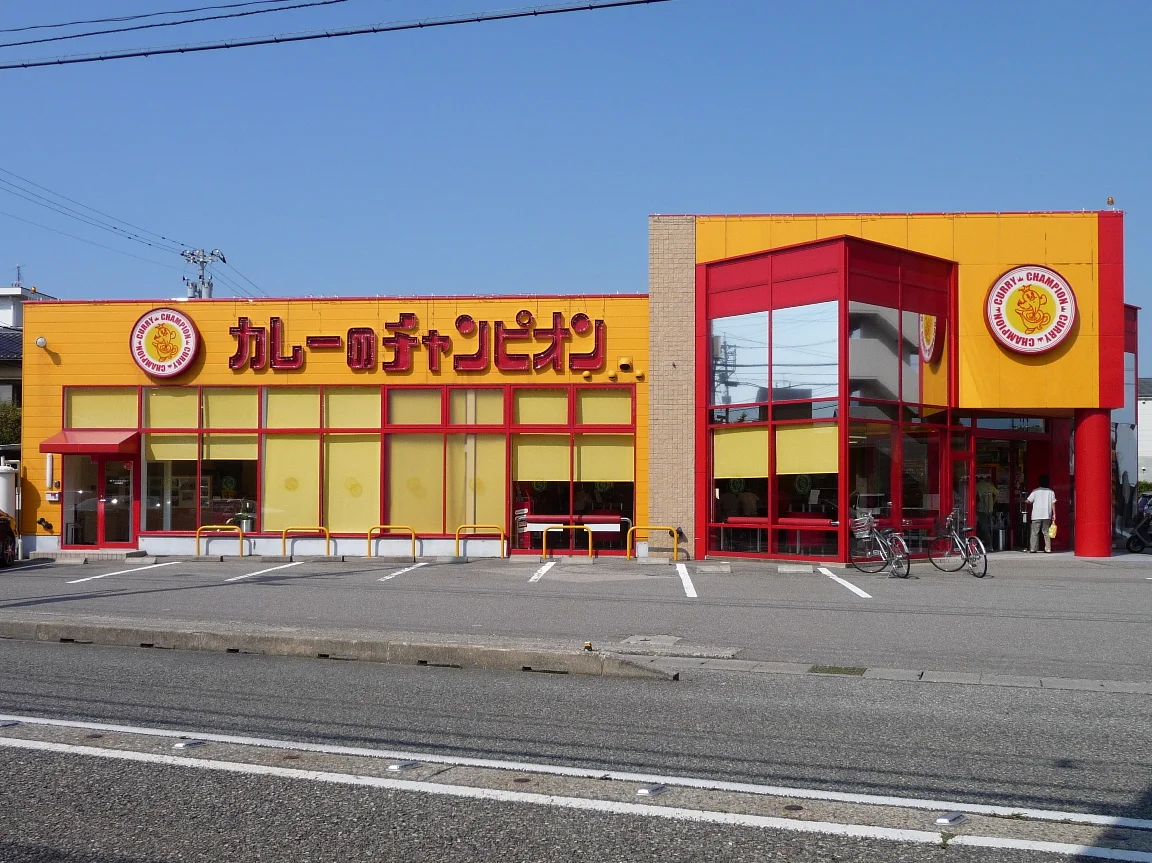
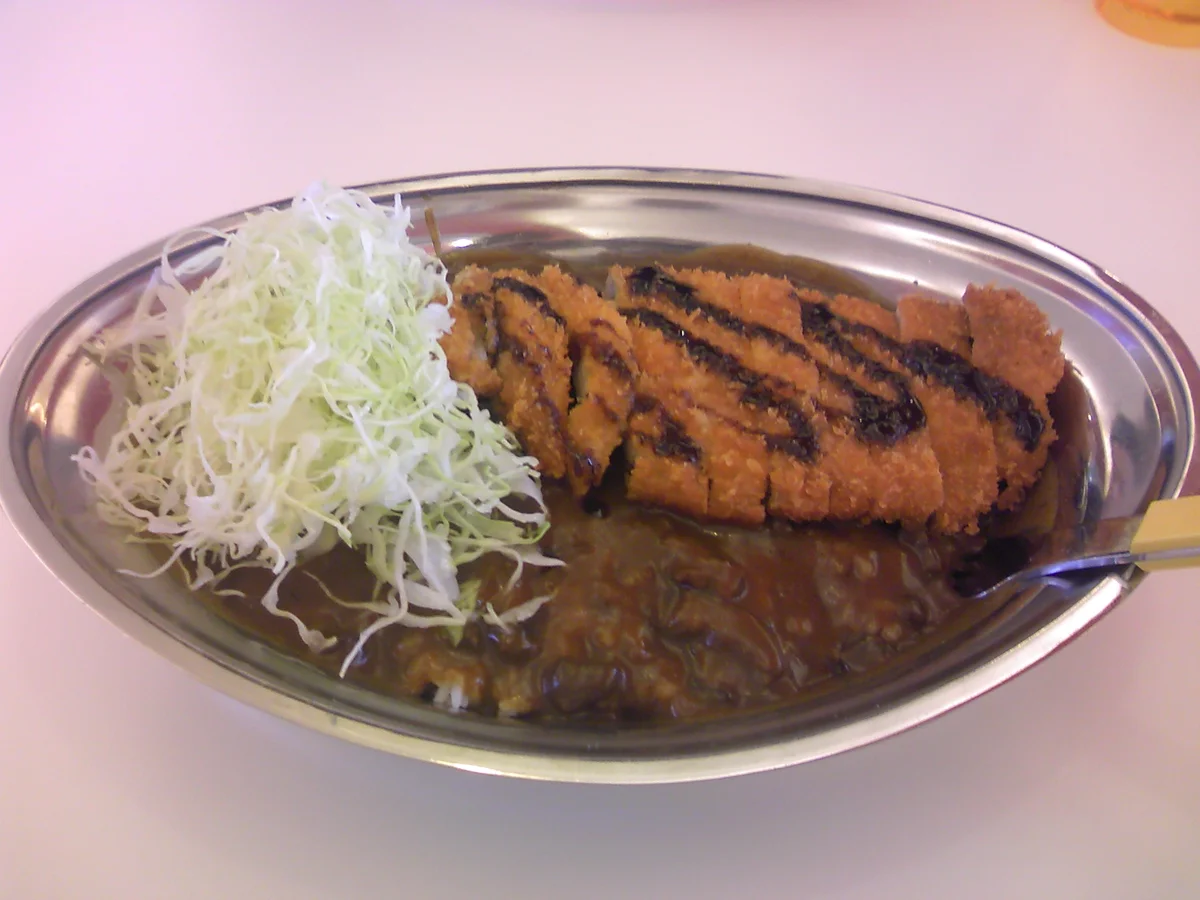
Champion Curry (チャンピオンカレー), affectionately known across Japan as "Chancurry" (チャンカレ), is widely revered as a founding father of the "Kanazawa Curry" genre. Classical Western-trained chef Yoshikazu Tanaka began developing his ultra-concentrated curry sauce in the late 1950s as head chef of Restaurant New Kanazawa, and in 1961 opened his own restaurant, Yoshoku Tanaka, in Kanazawa — slow-roasting flour, caramelized beef tallow, and secret aromatic spices, creating a dark, glossy, velvety roux thick enough to coat a fork. Chef Tanaka established the signature traditions that defined a national food category: serving curry on a polished silver stainless steel plate, topping it with a freshly fried pork loin cutlet, adding a mound of crisp shredded cabbage, and eating it with a vintage metal spork (先割れスプーン). Ordered by over 70% of all visitors, its legendary L-Katsu Curry remains the gold standard of Japanese comfort food.
How to order
Dining at Champion Curry follows a 60-year-old Kanazawa tradition:
- Step up to the ticket machine at the entrance: Walk inside past the yellow-and-red banner.
- NO Otoshi cover charge: Enjoy honest dining—Champion Curry charges strictly zero table fee and zero cover charge (¥0 Otoshi)!
- Select your dish (Order L-Katsu!):
- L-Katsu Curry (Lカツカレー): The legendary masterpiece ordered by 70% of diners! A thick, crispy pork loin katsu covered in savory black sauce and rich roux.
- Chicken Katsu Curry (チキンカツカレー): Juicy panko-crusted chicken cutlet.
- Winnar Curry (ウインナーカレー): Deep-fried crispy Japanese sausages.
- Ebi-Fry Curry (エビフライカレー): Plump golden breaded fried shrimp.
- Regular Curry (レギュラーカレー): Pure rich roux without meat toppings.
- Choose your portion size:
- Regular (レギュラー): Standard hearty portion (~300g rice).
- Mini (ミニ): Smaller portion (~200g rice) for light eaters.
- Jumbo (ジャンボ): Mammoth portion (~450g rice) for big eaters!
- Pay and collect your ticket: Pay with cash, IC card, or PayPay. Take your printed ticket slip.
- Take an open counter stool: Hand your ticket to the staff behind the counter.
- Eat with your traditional Spork:
- Within 2 minutes, your gleaming silver stainless steel oval platter arrives!
- Pick up the vintage spork (fork-tipped spoon - 先割れスプーン) from the caddy.
- The spork is designed to effortlessly pierce the crispy fried pork cutlet while simultaneously scooping up rice, thick velvety curry, and crunchy shredded cabbage!
- Add Fukujinzuke pickles: Help yourself to the crunchy sweet red pickles on the counter.
- Clear and exit: Place your empty stainless platter onto the return counter, say "Gochisousama deshita," and exit!
What to order first
Dishes below reflect core brand staples officially featured on the Champion Curry Official Website:
- Signature L-Katsu Curry (名物 Lカツカレー): The 1961 original; freshly fried thick pork loin cutlet drizzled in dark sauce, thick glossy brown roux, and crisp cabbage on a silver platter (¥1,100 tax-included as of November 2026).
- Chicken Katsu Curry (チキンカツカレー): Golden fried tender chicken cutlet over rich aged curry (~¥830–¥920).
- Deep-Fried Sausage Curry (ウインナーカレー): Sizzling Japanese pork sausages with rich roux (~¥780–¥880).
- Fried Shrimp Curry (エビフライカレー): Two jumbo panko-crusted fried shrimp with tartar sauce (~¥930–¥1,050).
- Shredded Cabbage Side (千切りキャベツ): Extra serving of crisp cabbage that perfectly balances the rich, glossy sauce (~¥100).
Payment & practical info
- Pricing & Value: Outstanding historic value; eating the original 1961 L-Katsu Curry costs under ¥950 ($6.30 USD).
- Cover Charges: Strictly zero cover charge and zero seating fees (¥0 Otoshi).
- Payment Methods: Accepts Japanese Yen cash, Japanese transit IC cards (Suica, PASMO, ICOCA), and smartphone QR code payments (PayPay).
- Atmosphere: Authentic, clean, and retro. Polished stainless steel, bright yellow and red signage, friendly local staff, and the rich, nostalgic aroma of caramelized roux.
- Kanazawa Heritage: Operating primarily in Ishikawa Prefecture, the flagship Nonoichi Honten and Kanazawa Station branches are essential culinary landmarks when traveling to Kanazawa, Kenroku-en Garden, or the 21st Century Museum!
Good to know / Common mistakes
- The Spork Experience: Don't search for a fork or spoon—the utensil provided is a Spork (先割れスプーン)! Chef Tanaka introduced this in 1961 so diners could eat katsu and curry smoothly with a single hand.
- Glossier, milder than Go! Go! Curry: While Go! Go! Curry is jet-black and punchy, Champion Curry's roux has a rich chocolate-brown gloss with a deeper, smoother, buttery umami finish derived from classical European roux techniques.
- Nonoichi Flagship Pilgrimage: True food connoisseurs visit the Nonoichi Honten flagship store in suburban Kanazawa—it features a museum-like display of 1960s photos, original recipe notebooks, and chef Tanaka's historical kitchenware!
- Eat immediately while the cutlet is hot: The pork cutlet is fried to order. Take your first bite immediately so you hear that glorious shatter of crispy panko breadcrumbs!
- No tipping: Tipping is never accepted. Pay at the ticket machine.
FAQ
Q1: Did Champion Curry really invent Kanazawa Curry? Yoshikazu Tanaka, founder of Champion Curry, perfected his recipe as head chef of Restaurant New Kanazawa in the late 1950s and opened "Yoshoku Tanaka" in Kanazawa in 1961. Some later Kanazawa curry houses descend from Tanaka's recipe through the Turban Curry lineage — but not all of them: Go! Go! Curry, for example, has no direct relationship with Champion Curry.
Q2: What does the "L" in L-Katsu mean? The "L" originally stood for "Loin" (ロース - pork loin cutlet). Over time, fans also associated it with "Large" because of the generous size of the cutlet!
Q3: Can I buy retort curry packs as souvenirs? Yes! Champion Curry sells boxed retort curry pouches (Chancurry Retort) at the register and at Kanazawa Station souvenir shops, allowing you to recreate authentic Kanazawa curry at home.
Sources
- Champion Curry Official Website: https://chancurry.com/ (Verified: 2026-10-03)
- Champion Curry History & Heritage Portal: https://chancurry.com/history/ (Verified: 2026-10-03)