
Retail & Shopping · Practical guide
KOMERI
Japan's #1 Store Network, Artisan Gardening Tools & Roadside Life
What to expect, how it works, payment details, and common mistakes — in one place.
Quick Facts
| Feature | Details |
|---|---|
| Japanese name | コメリ (Komeri) |
| Category | Retail / Hardware, Rural Agriculture, Artisan Handforged Edge Tools, Gardening & DIY (KOMERI Official Website) |
| Store Count | 1,235 stores across 46 prefectures (as of October 31, 2026, per the official site)—holding the #1 store count in Japan's home improvement sector, encompassing compact rural "Hard & Green" community stores, giant suburban "KOMERI Power" megastores, and trade-focused "KOMERI PRO," operated by KOMERI Co., Ltd. (Shop Locator) |
| Ordering Style | Traditional hardware self-selection: browse dense hardware, tool, and gardening aisles; carry items to front cash checkout counters; specialized trade desks for industrial orders |
| Membership Required? | No membership or ID required to purchase (optional Komeri Card for domestic loyalty points) |
| Approximate Price Range | Gardening scissors & folding saws ~¥880–¥2,980; handforged Japanese pruning shears & sickles ~¥1,580–¥7,980; professional kitchen cutlery ~¥2,980–¥12,000; outdoor rainwear & boots ~¥1,480–¥4,980 (as of November 7, 2026; subject to revision); Tax-Free generally not available (domestic rural network) |
| Payment Methods | Cash, major credit cards (Visa, Mastercard, JCB, American Express), and smartphone QR code payments (PayPay, d-Barai, Rakuten Pay) |
| Multilingual Support | Clear visual metric specification icons (blade length in mm, steel grade stamps like SK-5 or Shirogami White Paper steel) on tool packaging; rural stores staffed by friendly local Japanese clerks |
What it is
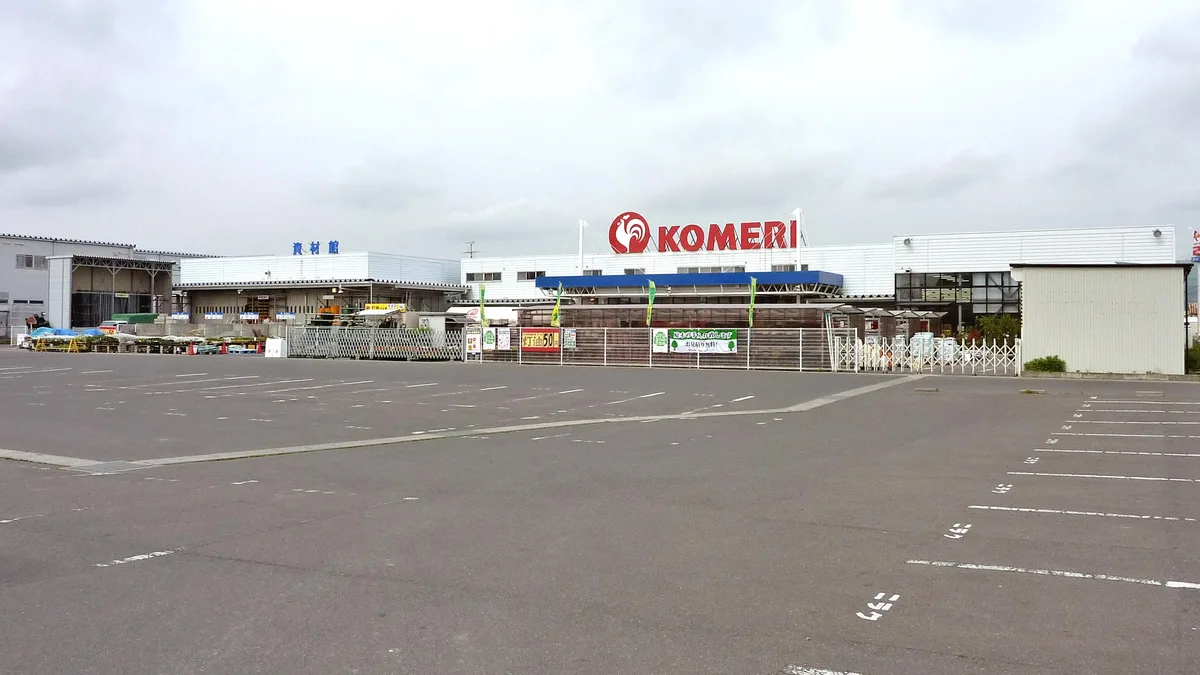
KOMERI (コメリ), originating in Niigata Prefecture (near Sanjo, Japan's legendary cutlery-smithing capital), is the ultimate hardware lifeline of regional Japan, operating over 1,200 stores across 46 prefectures. Recognizable across the Japanese countryside by its distinctive chicken emblem — the Shokoku (小国鶏), a small Japanese heritage breed, KOMERI's unique strength is that while competitors cluster near big-city train stations, KOMERI blankets every rural village, farming town, and highway corridor in Japan. For international road-trippers, campers, and craft enthusiasts exploring the Japanese Alps, Hokkaido, or Shikoku by rental car, KOMERI is a treasure trove of authentic, razor-sharp Japanese forged steel tools—including bonsai scissors, bypass pruning shears (Sentei-basami), grass sickles (Kama), and wood carving chisels—sold at genuine local hardware prices without tourist markups.
How to shop
- Spot the Rooster Emblem Along Highway Routes: When driving through Hokkaido, Tohoku, Nagano, or Kyushu, look for KOMERI's green-and-white chicken sign.
- Choose the Right Store Size:
- KOMERI Hard & Green: The classic rural format (compact neighborhood stores stocked with gardening tools, hardware, seeds, and outdoor gear).
- KOMERI Power: Massive suburban super-centers featuring lumberyards, building materials, home appliances, and extensive outdoor departments.
- KOMERI PRO: Specialized trade warehouses catering to professional carpenters and electricians.
- Inspect the Forged Tool Aisles:
- Head to the gardening and cutlery section. Look for tools stamped "Made in Japan" (日本製) or crafted from traditional SK-5 high-carbon Japanese tool steel.
- Compare blade bevels, safety latches, and wooden handle grips (crafted from native Japanese oak or magnolia wood).
- Checkout at the Front Register: Bring your items to the cashier. Settle via credit card or cash.
- Pack Safely for International Air Travel: All bladed tools must be packed securely inside hard luggage for check-in!
Services & options
- Handforged Japanese Pruning Shears (剪定鋏 - Sentei Basami): Razor-sharp high-carbon steel shears that slice through thick branches like warm butter with an audible crisp "click."
- Japanese Folding Pruning Saws (折込鋸 - Nokogiri): Compact pocket pull-saws with impulse-hardened teeth that fold safely into your backpack for camping and yard work.
- Grass & Weed Sickles (草刈り鎌 - Kama): Featherlight Japanese curved sickles with pine handles that make weeding and garden edging effortless.
- Heavy-Duty Rubber Work Boots & Field Gloves: Rugged, puncture-resistant waterproof boots and nitrile-coated gardening gloves designed for muddy rice paddies and mountain trails.
Payment & practical info
- Accepted Payment Methods: Visa, Mastercard, JCB, Amex, PayPay, d-Barai, Rakuten Pay, and cash.
- Tax-Free Notice: KOMERI's network is designed primarily as local neighborhood infrastructure; Tax-Free shopping is generally not offered at typical roadside branches. However, their everyday shelf prices are already so low that items remain extraordinary bargains!
- Hours: Typically open early (7:00 AM or 8:00 AM to 7:00 PM or 8:00 PM) to serve local morning trade workers.
Good to know / Common mistakes
- CRITICAL AIRLINE RULE: Blades in Checked Baggage Only: Handforged shears, sickles, and utility knives are classified as dangerous weapons under international aviation regulations. Never pack them in your carry-on luggage! Always wrap them carefully in bubble wrap or thick cardboard and stow them securely in your checked suitcase (Jutaku Tenimotsu).
- Carbon Steel Maintenance: Traditional Japanese forged blades (carbon steel) are sharper than stainless steel but will rust if stored wet. Buy a small bottle of camellia knife oil (Tsubaki-abura) or wipe your shears dry after garden use.
- Rental Car Road-Trip Lifesaver: If you get a flat tire, need emergency tire chains in a snowstorm, or need blue tarps and camping gas canisters while exploring national parks, KOMERI is always within driving distance.
FAQ
- Q: Can international visitors buy sharp gardening tools at KOMERI?
- A: Yes, gardening shears, saws, and sickles can be freely purchased by any adult over the counter with no special permits.
- Q: Are credit cards accepted at small rural branches?
- A: Yes, major international credit cards (Visa, Mastercard, JCB, Amex) are accepted across all KOMERI locations nationwide.
- Q: Why are KOMERI's tools so famous?
- A: KOMERI's headquarters is in Niigata Prefecture, directly adjacent to Sanjo and Tsubame—the 400-year-old historic blacksmithing capital of Japan—allowing them direct wholesale access to master blade-smiths.
Sources
- KOMERI Official Corporate Website (Verified: 2026-11-07)
- KOMERI Online Store & Shop Directory (Verified: 2026-11-07)
- KOMERI Power & Rural Network Concept (Verified: 2026-11-07)