
Family Dining · Practical guide
Matsuzakaya Japan Shopping Guide: Nagoya Flagship, Ueno Pandas & Tax-Free Tips
Prices, ordering steps, payment details, and common mistakes — in one place.
Quick Facts
| Category | Detail |
|---|---|
| Japanese name | 松坂屋 (Matsuzakaya) |
| Brand Name | Matsuzakaya / 松坂屋 (株式会社大丸松坂屋百貨店 / J. FRONT RETAILING Co., Ltd.) |
| Store Type | Historic regional grand department store, luxury fashion mall & authentic regional gourmet center |
| Target Audience | Travelers exploring Central Japan (Nagoya/Chubu), luxury brand collectors, connoisseurs of Nagoya cuisine, and Tokyo Ueno park visitors |
| Ordering Style | Dignified personal sales service across multi-building luxury department complexes with dedicated Tax-Free lounges |
| Membership Required? | No membership or Japanese resident ID required for standard shopping; physical foreign passport required for Tax-Free purchase processing |
| Approximate Price Range | Regional Nagoya specialties, tea, and confectionery ~¥900–¥3,200; luxury cosmetics and skincare ~¥4,500–¥26,000; domestic designer apparel, kimonos, and fine jewelry ~¥20,000–¥120,000; high-end Swiss horology, luxury leather, and couture ~¥120,000–¥2,500,000+ (subject to revision); Tax-Free available on purchases of ¥5,000+ (excluding tax) |
| Multilingual Support | Dedicated Tax-Free Customer Service Counters staffed with fluent English and Mandarin Chinese personnel at Nagoya and Ueno stores; multilingual floor directories and customer interpretation devices |
| Payment Methods | Cash (JPY), International Credit Cards (Visa, Mastercard, JCB, American Express, Diners Club, UnionPay), Transit IC (Suica, Pasmo, Manaca, ICOCA), e-Money (iD, QUICPay), QR Mobile Pay (PayPay, Rakuten Pay, d-Barai, au PAY, Alipay, WeChat Pay) |
| Store Network | 4 prominent department stores across Japan, headlined by the gargantuan Matsuzakaya Nagoya Main Store (the commercial ruler of Chubu) and Tokyo's historic Matsuzakaya Ueno Store, alongside Shizuoka and Takatsuki |
What it is
Matsuzakaya (松坂屋) holds one of the longest continuous lineages in global commercial retail, boasting an extraordinary heritage of more than 400 years. Founded in Nagoya in 1611 by Sukekuro Ito as a silk and lacquer merchant, Matsuzakaya served the samurai lords of the Owari Tokugawa clan throughout the Edo period. In 1768, the company expanded into Edo (modern Tokyo) by acquiring the Matsuzakaya kimono house in Ueno. Today, operating under J. Front Retailing alongside Daimaru, Matsuzakaya is the undisputed commercial anchor of central Japan and a proud bastion of traditional merchant dignity.
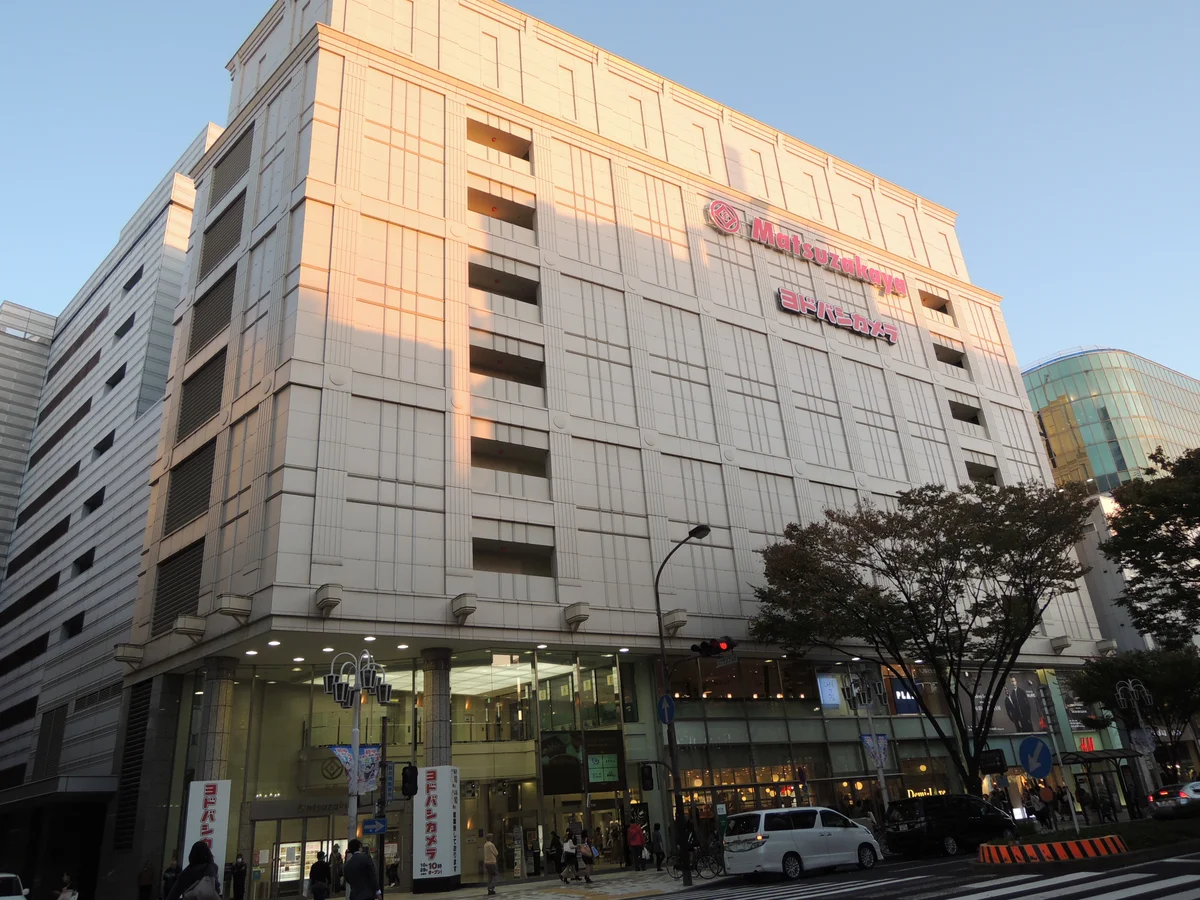
The crown jewel of the brand is Matsuzakaya Nagoya Main Store in the heart of Sakae. Spanning three connected mega-buildings—the Main Building (本館), South Building (南館), and North Building (北館)—it constitutes one of the largest department store floorplates in Japan. It features the country's most expansive luxury shopping mall, housing multi-level global flagship boutiques for Chanel, Hermès, Louis Vuitton, and Gucci, alongside the venerable South Building art museum. Furthermore, the Nagoya store is world-famous for its top-floor dining avenue, housing the legendary Atsuta Houraiken (あつた蓬莱軒), inventors of Nagoya's iconic eel dish, Hitsumabushi. In Tokyo, Matsuzakaya Ueno sits right beside Ueno Park and is famous for Japan's most comprehensive collection of panda-themed gifts.
How to order
Step 1: Navigating the Three-Building Nagoya Complex
- Matsuzakaya Nagoya Main Store (名古屋店):
- Main Building (本館): B1–B2 Depachika gourmet food hall, women's cosmetics, daily luxury fashion, and kimono salons.
- South Building (南館): The luxury fashion core featuring high jewelry, runway designer boutiques, the Matsuzakaya Art Museum (7F), and the famous restaurant floor (10F) housing Atsuta Houraiken Hitsumabushi.
- North Building (北館): Men's fashion, fine golf apparel, outdoor living, and home furnishings.
- Matsuzakaya Ueno (Tokyo):
- Located next to Ueno-Okachimachi Station. Features classic depachika food halls, Japanese fashion, and extensive Ueno Giant Panda souvenir collections.
Step 2: Tasting Authentic Nagoya Cuisine (Hitsumabushi)
- If visiting Matsuzakaya Nagoya, head to the 10th floor of the South Building to dine at Atsuta Houraiken.
- Because this historic eel institution is wildly popular, take a timed queue number at the restaurant entrance before browsing the luxury fashion floors below.
Step 3: Purchasing at Individual Brand Boutiques
- At Matsuzakaya, brand associates provide formal, personalized service.
- Pay the tax-inclusive retail total at the counter, collect your itemized receipt, and take your purchases to the centralized Tax-Free Service Counter.
Step 4: Finalizing Tax-Free Refund Registration (2026 Refund System)
- Bring all your purchases, receipts, credit card, and original physical passport to the centralized Tax-Free Counter (免税カウンター) (Nagoya Main Store: Main Building 7F; Ueno Store: 2F).
- Under Japan's refund-based tax-free system (rules in force since November 1, 2026):
- Department store tax-free staff scan your passport chip and electronically register your itemized receipts and product serial codes directly with Japan Customs.
- No sealed bags, no category split: The old general-goods/consumables division and the tamper-evident sealed bags are gone — nothing is sealed, and there is no purchase cap by category. Customs verifies tax-free goods by purchase record. You may wear or use non-consumables such as clothing and bags in Japan if you export them, but do not consume food, cosmetics or other consumables in Japan if you want the refund. All tax-free goods registered under the same purchase record must leave Japan; if even one registered tax-free item is missing, the refund for that record is unavailable.
- Pack your purchases safely for travel (liquid cosmetics, perfumes, and sake over 100ml must go in checked suitcases).
- When you leave Japan — within 90 days of purchase, and before you check your baggage — present your passport at a tax-free procedure terminal at the airport or port for Customs' export confirmation (Visit Japan Web can be used at eligible airports). Show the purchased goods themselves only if your record is flagged for inspection. Customs verifies each tax-free purchase record. Take every tax-free item listed in that record out of Japan.
- Once Customs has confirmed export, the store or its designated refund operator processes the refund by the method registered at purchase. Customs does not pay the refund. Some participating stores may offer collection through a partner airport cash-refund terminal; ask the store which method and location are available.
What to order first
1. Atsuta Houraiken Hitsumabushi Dining & Unagi Souvenirs
- Japanese Name: あつた蓬莱軒 ひつまぶし / うなぎ茶漬け ギフト
- Price: ~¥4,400–¥6,200 (tax-included; subject to revision)
- Why It Is Essential: Hitsumabushi is Nagoya's crowning culinary jewel, and Atsuta Houraiken (founded in 1873) holds the registered trademark for the dish. Fresh unagi eel is grilled over Binchotan charcoal, sliced finely, and served over rice in a wooden tub to be enjoyed in three distinct stages: plain, with wasabi/green onion condiments, and finally drowned in fragrant dashi broth. The gift shop sells vacuum-sealed grilled eel packs to enjoy later.
2. Global Haute Couture & Luxury Flagship Boutiques (Sakae Corridor)
- Japanese Name: 特選ラグジュアリーブティック (シャネル / エルメス / ルイ・ヴィトン)
- Price: ~¥65,000–¥650,000+ (tax-included; subject to revision)
- Why It Is Essential: Matsuzakaya Nagoya's South Building boasts one of the highest concentrations of luxury fashion sales in the world, catering to Central Japan's wealthy manufacturing tycoons. Because the store maintains colossal floor footprints, their designer boutiques often have full runway inventory allocations and VIP sizes that sell out instantly in Tokyo.
3. Matsuzakaya Ueno Exclusive Giant Panda Keepsakes
- Japanese Name: 上野松坂屋限定 パンダグッズ (ぬいぐるみ・スイーツ・文具)
- Price: ~¥550–¥3,850 (tax-included; subject to revision)
- Why It Is Essential: Due to its historic connection to the neighboring Ueno Zoo (home to Japan's beloved giant pandas), Matsuzakaya Ueno is the official headquarters of panda culture in Tokyo. Discover limited-edition plushies, panda-embossed castella sponge cakes, leather coin purses, and stationery that make heartwarming, exclusive Tokyo souvenirs.
4. Aogai Maki-e Lacquerware & Nagoya Traditional Crafts
- Japanese Name: 名古屋仏壇・青貝蒔絵 伝統工芸漆器 / 尾張七宝
- Price: ~¥4,950–¥48,000 (tax-included; subject to revision)
- Why It Is Essential: The Chubu region has been the center of Japanese craft mastery for four centuries. Matsuzakaya's traditional living salon features Owari Cloisonné (尾張七宝) enamel vases, hand-carved tea caddies embellished with luminous mother-of-pearl (Aogai Maki-e), and gilded tableware crafted by living national treasures.
5. Bankaku Sohonpo Yukari Grilled Shrimp Crackers (坂角総本舖)
- Japanese Name: 坂角総本舖 海老せんべい「ゆかり」
- Price: ~¥1,080–¥3,240 (tax-included; subject to revision)
- Why It Is Essential: Nagoya's definitive gift cracker since 1889. Made by compressing seven whole fresh Japanese tiger prawns into each golden cracker and twice-baking them over iron plates, Bankaku's Yukari crackers deliver a concentrated explosion of sweet, roasty shrimp umami. Packed in elegant metallic tins, they are lightweight and virtually indestructible in luggage.
Payment & practical info
Prices and details checked: November 2026.
- Accepted Payment Modes: Cash (JPY), major global credit cards (Visa, Mastercard, JCB, American Express, Diners Club, UnionPay), transit IC cards (Suica, Pasmo, Manaca, ICOCA), e-money (iD, QUICPay), and mobile QR codes (PayPay, Rakuten Pay, d-Barai, au PAY, Alipay, WeChat Pay).
- Tax-Free Refund Rules (Enacted November 1, 2026):
- Minimum eligible spend is ¥5,000 (excluding tax) across a single calendar day at Matsuzakaya.
- Pay full tax-inclusive price at sales counters; register passport and receipts at the Tax-Free Counter, where staff tell you how the refund will be made. When you leave Japan (within 90 days, before baggage check-in), present your passport at a tax-free procedure terminal for Customs' export confirmation; after that confirmation, the store refunds the tax by the registered method.
- Nothing is sealed, and there is no general-goods/consumables split. Refund eligibility is checked for each tax-free purchase record: export all listed tax-free goods. Non-consumable items may be used before departure; consumables must not be consumed in Japan.
- Operating Hours: Standard retail floors operate from 10:00 to 20:00 daily. Restaurant floors (including Atsuta Houraiken on 10F in Nagoya) operate until 22:00.
- Museum Floor: The South Building of Matsuzakaya Nagoya houses the acclaimed Matsuzakaya Art Museum, hosting world-class rotating exhibitions of Japanese calligraphy, Impressionist art, and contemporary fashion.
- Liquid Packing Caution: Liquid cosmetics, perfumes, and bottled sake over 100ml must be packed in checked luggage. Ensure airport customs verifies your purchases before you surrender your suitcase at the airline check-in desk.
Good to know / Common mistakes
1. Booking / Queueing for Atsuta Houraiken
If you plan to eat Hitsumabushi at Matsuzakaya Nagoya, arrive at the 10th floor restaurant entrance when it opens (11:00 for lunch or 16:30 for dinner). During weekends and holidays, wait times can reach 90 to 120 minutes. Take your queue paper, browse the luxury boutiques downstairs, and return when your number is called.
2. Department Store Tax-Free Processing Fee
Daimaru Matsuzakaya's current tax-free guidance states that the tax-free service fee may be up to 2.3% of the tax-exclusive purchase amount. After Customs confirms export, the store's designated refund method is used. Ask the tax-free counter how the fee is calculated for your purchases and whether any additional payment-related charges apply.
3. Subway Connections
Matsuzakaya Nagoya is connected directly via underground pedestrian concourses to Yaba-cho Station (矢場町駅) on the Meijo Subway Line (Exits 5 and 6 lead directly into the basement levels of the Main and South Buildings).
FAQ
Q1: Can I combine purchases from Matsuzakaya and Daimaru stores?
A: Daimaru and Matsuzakaya are in the same corporate group, but purchases at different branches should not be assumed to count together toward the ¥5,000 tax-free threshold or a single tax-free registration. Check the qualifying stores and receipts with the tax-free counter where you make the purchase.
Q2: What makes Matsuzakaya Nagoya special compared to Tokyo stores?
A: Matsuzakaya Nagoya is the historic heart of the brand and has one of the largest retail footprints in Japan across three interconnected towers. It provides deeper stock allocations for luxury fashion houses and houses authentic regional institutions like Atsuta Houraiken.
Q3: How do I receive my consumption-tax refund under the 2026 system?
A: Pay for your goods at Matsuzakaya sales counters, then bring your receipts and passport to the Tax-Free Counter where your purchases are registered electronically with Japan Customs. Keep your receipts. When you leave Japan — within 90 days of purchase and before checking your luggage — present your passport at a tax-free procedure terminal for Customs' export confirmation (show the goods only if your record is flagged). After that confirmation, the store refunds the tax by the method registered at the counter. The seller or its refund operator processes the refund after Customs verifies export. Every tax-free item in each purchase record must be exported; consumables must remain unconsumed. Ask your store which refund method and pickup location apply. Eligible items are taxed at the standard 10% rate or, for qualifying food and drinks, the reduced 8% rate; the amount actually refunded varies with any fee deducted and the store's conditions.
Sources
- Matsuzakaya Official Corporate Portal (Verified: 2026-11-08)
- Matsuzakaya Nagoya Main Store Directory & Sakae Map (Verified: 2026-11-08)
- Matsuzakaya Ueno Store Directory & Tourist Services (Verified: 2026-11-08)
- Japan Customs Departure Tax-Free Procedures (Verified: 2026-11-08)